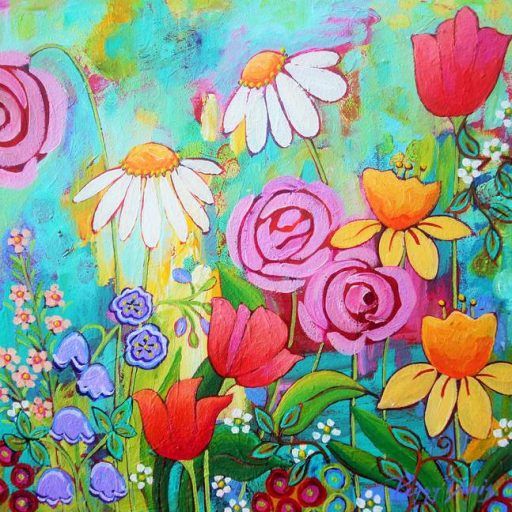

Original
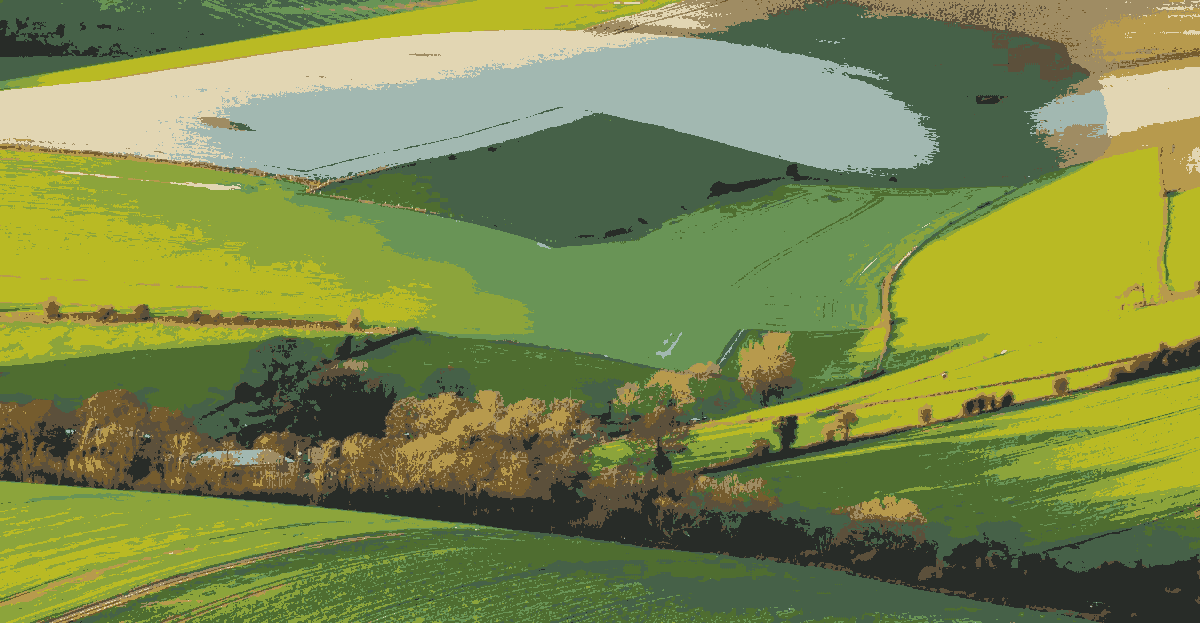
12 colors
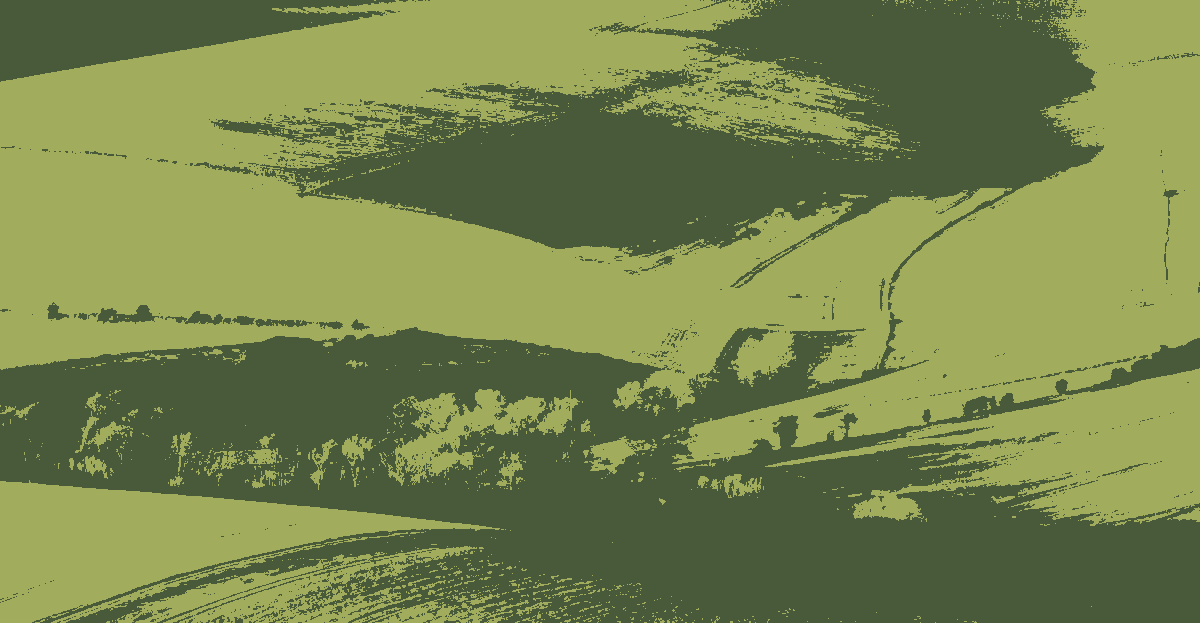
2 colors
Images are composed of pixels, tiny squares filled with individual colors that come together to form an image. The more pixels in an image, the smoother the colors appear, resulting in a more realistic depiction. Conversely, fewer and larger pixels lead to a “pixelated” appearance, where individual squares of color become noticeable. Within each pixel, there are three bytes, each consisting of eight bits, represented by 0s and 1s. A single byte can represent up to 256 different colors. Therefore, 1 bit represents 2 colors (0 or 1), 2 bits represent 4 colors (00, 01, 11, 10), and so on, with the number of colors doubling with each added bit.

Original
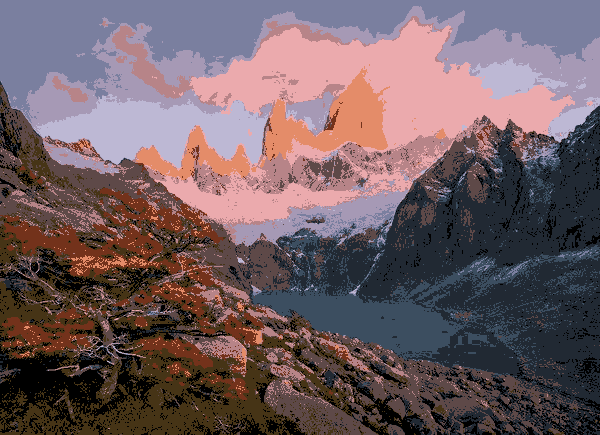
12 colors
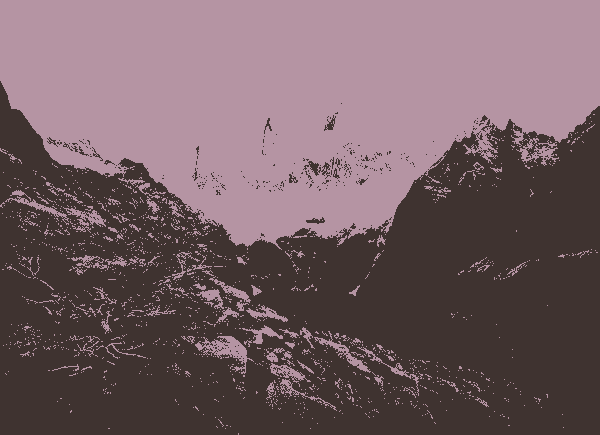
2 colors
The accompanying images depict the same scene using varying amounts of bits to represent colors. This experiment was conducted using two different photos—one predominantly green and the other featuring a diverse range of colors and a complex landscape. The aim was to assess whether the simpler color palette of the hilly landscape would fare better with fewer colors than the complex photo.